
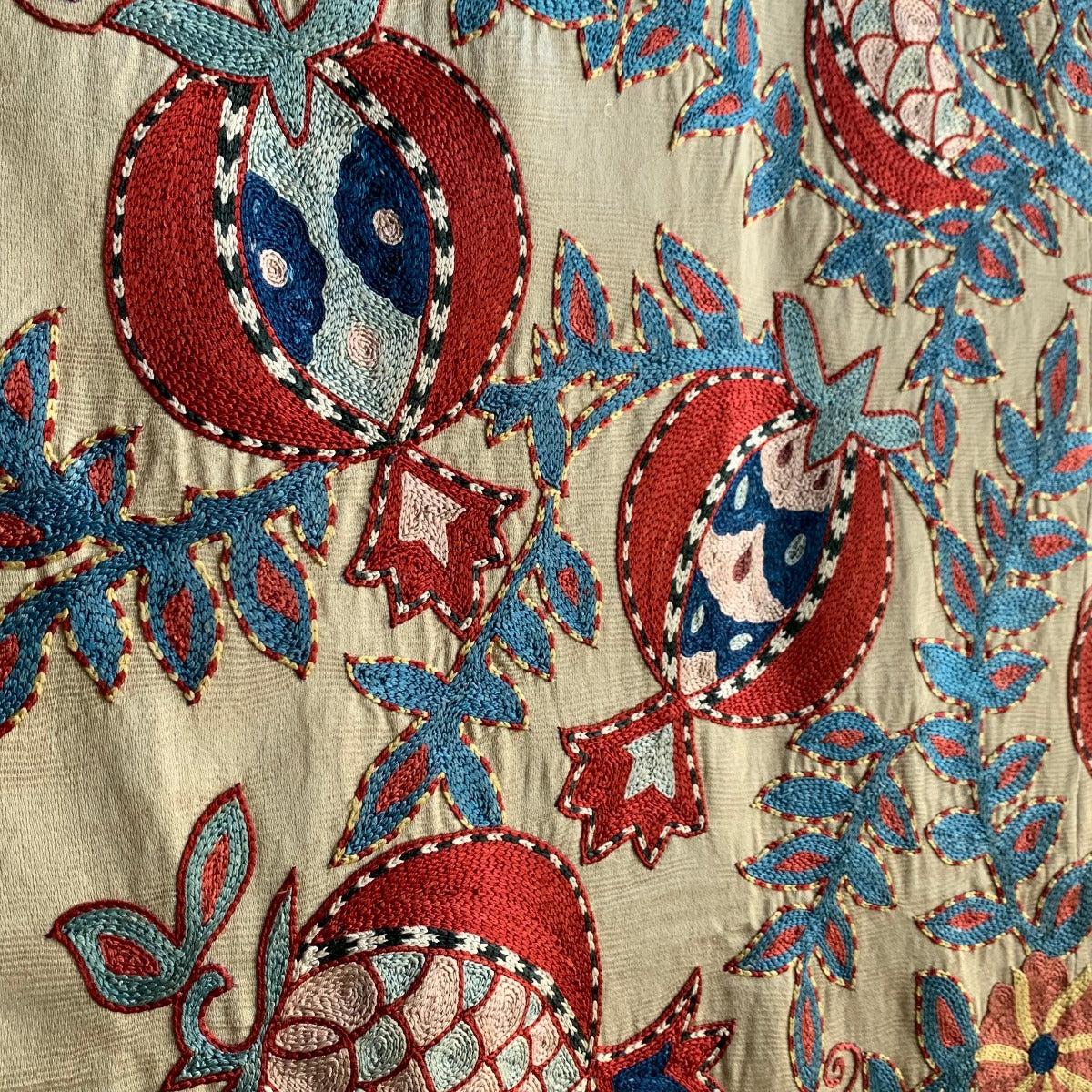
معرفی هنرهای رودوزی سنتی ایران
سوزندوزی، زرتشتیدوزی و نقطهدوزی؛ جلوهای از هنر رودوزی سنتی ایران
هنرهای سنتی ایران تنها به فرش، سفال یا خاتمکاری محدود نمیشوند. رودوزیهای سنتی نیز بخش مهمی از میراث فرهنگی این سرزمین را تشکیل میدهند. در میان این هنرها، سوزندوزی، زرتشتیدوزی و نقطهدوزی از زیباترین و ارزشمندترین شیوههای تزئین پارچه به شمار میروند که هر یک با تکنیک، تاریخچه و هویت خاص خود شناخته میشوند.
سوزندوزی چیست؟
سوزندوزی یکی از قدیمیترین هنرهای دستی ایران است که با استفاده از سوزن و نخهای رنگی روی پارچه اجرا میشود. این هنر در مناطق مختلف ایران رواج دارد، اما استان سیستان و بلوچستان بهعنوان مهمترین خاستگاه آن شناخته میشود.
نقوش سوزندوزی معمولاً از اشکال هندسی، گلها، بوتهها و عناصر الهامگرفته از طبیعت تشکیل شدهاند. تمام مراحل تولید به صورت دستی انجام میشود و همین موضوع ارزش هنری و اصالت هر اثر را افزایش میدهد.
ویژگیهای سوزندوزی
- کاملاً دستدوز و بدون استفاده از ماشین
- استفاده از نخهای رنگی با دوام
- نقوش هندسی و سنتی
- مناسب برای لباس، رومیزی، کوسن، کیف و تابلوهای تزئینی
زرتشتیدوزی چیست؟
زرتشتیدوزی یکی از نفیسترین شاخههای رودوزی ایرانی است که ریشه در فرهنگ و سنت جامعه زرتشتی، بهویژه در شهر یزد، دارد. این هنر طی قرنها برای تزئین لباسهای سنتی، سفرههای آیینی و پارچههای ارزشمند مورد استفاده قرار گرفته است.
در زرتشتیدوزی معمولاً از نخهای ابریشمی، گلابتون یا نخهای ظریف استفاده میشود و طرحها با دقت بسیار بالا اجرا میشوند. بسیاری از نقوش آن برگرفته از نمادهای باستانی ایران مانند سرو، گل، بته و پرندگان است که هر کدام مفهومی نمادین دارند.
ویژگیهای زرتشتیدوزی
- ظرافت بسیار بالا
- استفاده از نخهای ابریشمی یا گلابتون
- الهام از نمادهای باستانی ایران
- مناسب برای آثار تزئینی و پوشاک سنتی
نقطهدوزی چیست؟
نقطهدوزی در واقع یک تکنیک دوخت است و برخلاف سوزندوزی یا زرتشتیدوزی، به منطقه یا قوم خاصی تعلق ندارد. در این روش، طرح از کنار هم قرار گرفتن تعداد زیادی بخیههای کوچک و منظم شکل میگیرد و سطحی بافتدار و چشمنواز ایجاد میشود.
این تکنیک در بسیاری از رودوزیهای سنتی ایران کاربرد دارد و هنرمندان برای ایجاد جزئیات ظریف یا پر کردن سطوح از آن استفاده میکنند.
ویژگیهای نقطهدوزی
- ایجاد بافتی ظریف و منظم
- مناسب برای اجرای جزئیات
- قابل استفاده در انواع رودوزیهای سنتی
- افزایش جلوه و دوام طرح
تفاوت سوزندوزی، زرتشتیدوزی و نقطهدوزی
اگرچه این سه هنر در یک خانواده قرار میگیرند، اما تفاوتهای مهمی دارند:
- سوزندوزی یک هنر سنتی گسترده با سبکها و مناطق مختلف است.
- زرتشتیدوزی شاخهای خاص و اصیل از رودوزی ایرانی با پیشینه فرهنگی زرتشتیان است.
- نقطهدوزی یک تکنیک دوخت محسوب میشود و میتواند در هر دو هنر بالا مورد استفاده قرار گیرد.
ارزش هنری این رودوزیها
تمام این آثار حاصل ساعتها یا حتی هفتهها کار دست هنرمندان هستند. ظرافت، اصالت، محدود بودن تولید و انتقال سینهبهسینه این مهارتها باعث شده است که رودوزیهای سنتی ایران نهتنها ارزش هنری، بلکه ارزش فرهنگی و تاریخی نیز داشته باشند.
امروزه این هنرها علاوه بر پوشاک سنتی، در طراحی دکوراسیون داخلی، کوسن، رومیزی، تابلو، کیف، اکسسوری و آثار هنری لوکس نیز مورد استفاده قرار میگیرند و جایگاه ویژهای در میان علاقهمندان به صنایعدستی ایرانی پیدا کردهاند.
جمعبندی
سوزندوزی، زرتشتیدوزی و نقطهدوزی هر یک بخشی از میراث ارزشمند هنرهای دستی ایران هستند. شناخت تفاوتها و ویژگیهای این هنرها، علاوه بر حفظ فرهنگ ایرانی، به انتخاب آگاهانهتر محصولات دستساز نیز کمک میکند. آثاری که با این تکنیکها خلق میشوند، تنها یک محصول تزئینی نیستند؛ بلکه روایتگر تاریخ، فرهنگ و هنر چندین نسل از هنرمندان ایرانیاند.
Traditional Persian Embroidery Arts: Suzani, Zoroastrian and Point Embroidery
Traditional Iranian art is not limited to Persian carpets, pottery, woodwork, or metalwork. Embroidery and decorative needlework also form an important part of Iran’s cultural and artistic heritage. Among these traditional crafts, Suzani embroidery, Zoroastrian embroidery, and point embroidery are considered some of the most delicate and valuable methods of decorating fabric.
Each of these arts has its own history, techniques, patterns, and cultural identity. Together, they reflect the creativity, patience, and artistic skills of Iranian artisans across different regions and generations.
What Is Suzani Embroidery?
Suzani embroidery is one of the oldest and most well-known forms of traditional Iranian needlework. It is created by sewing colourful threads onto fabric by hand, using a variety of decorative stitches.
This art can be found in different regions of Iran, but Sistan and Baluchistan is especially famous for its unique and highly detailed needlework. For this reason, many examples of Persian Suzani embroidery are also known as Baluchi embroidery.
The patterns used in Suzani embroidery are often inspired by geometry, flowers, plants, nature, and traditional local symbols. The designs are usually carefully planned and then completed entirely by hand.
Because of the time, precision, and skill required to produce each piece, handmade Suzani embroidery has significant artistic and cultural value.
Main Features of Suzani Embroidery
- Completely handmade
- Created with colourful and durable threads
- Includes geometric, floral, and traditional motifs
- Requires precision, patience, and artistic skill
- Commonly used on clothing, cushions, tablecloths, bags, wall art, and decorative textiles
What Is Zoroastrian Embroidery?
Zoroastrian embroidery is one of the most refined and distinctive forms of traditional Persian needlework. It is closely connected to the culture and traditions of Iran’s Zoroastrian community, particularly in the city of Yazd.
For centuries, this form of embroidery has been used to decorate traditional clothing, ceremonial textiles, table coverings, and valuable handmade fabrics.
Zoroastrian embroidery is usually created with fine silk threads, metallic threads, or other delicate materials. The designs are carefully stitched onto the fabric and often include ancient Persian symbols and motifs.
Common patterns include cypress trees, flowers, birds, leaves, and boteh motifs. Many of these elements carry symbolic meanings related to life, beauty, nature, continuity, and spiritual identity.
The high level of detail and the cultural meaning behind the designs make Zoroastrian embroidery one of the most valuable branches of Iranian textile art.
Main Features of Zoroastrian Embroidery
- Extremely delicate and detailed workmanship
- Use of fine silk or metallic threads
- Inspired by ancient Persian symbols and motifs
- Strong connection to Zoroastrian culture and traditions
- Used in ceremonial textiles, traditional clothing, and decorative artworks
What Is Point Embroidery?
Point embroidery is primarily a stitching technique rather than an art associated with one specific region or ethnic group.
In this method, a design is created through the careful placement of many small, regular stitches. These tiny stitches are positioned next to one another to form detailed patterns, textures, and decorative surfaces.
Point embroidery can be used independently or as part of other traditional embroidery styles. It is often applied to create fine details, fill larger sections of a design, or add depth and texture to the fabric.
Because this technique depends on accuracy and repetition, it requires a great deal of patience and control.
Main Features of Point Embroidery
- Created with small and regular stitches
- Produces a delicate and textured appearance
- Suitable for detailed patterns
- Can be used in different forms of traditional embroidery
- Adds depth, structure, and visual richness to the design
The Difference Between Suzani, Zoroastrian and Point Embroidery
Although Suzani embroidery, Zoroastrian embroidery, and point embroidery all belong to the broader field of decorative needlework, they are not exactly the same.
Suzani embroidery is a general traditional art form found in different regions of Iran. It usually involves colourful threads and decorative patterns stitched by hand onto fabric.
Zoroastrian embroidery is a more specific form of Persian embroidery with strong historical and cultural connections to the Zoroastrian community, especially in Yazd.
Point embroidery, however, is mainly a stitching method. It can be used in Suzani embroidery, Zoroastrian embroidery, or other forms of needlework to create texture, detail, and pattern.
In simple terms:
- Suzani embroidery is a broad traditional embroidery art.
- Zoroastrian embroidery is a culturally specific form of Persian needlework.
- Point embroidery is a stitching technique that may be used in different embroidery styles.
The Artistic and Cultural Value of Persian Embroidery
Traditional Persian embroidery is valuable not only because of its beauty, but also because of the time, knowledge, and craftsmanship involved in its creation.
A single handmade piece may require many hours, days, or even weeks of careful work. Each stitch is placed by hand, and every design reflects the experience and creativity of the artisan.
Many embroidery techniques have been passed down from one generation to another through families and local communities. As a result, these artworks are not simply decorative objects. They are also carriers of history, identity, memory, and cultural knowledge.
The limited production of handmade pieces also increases their uniqueness. Unlike mass-produced textiles, no two handmade embroideries are ever completely identical.
The Use of Traditional Embroidery in Modern Design
Today, traditional Persian embroidery is no longer limited to ceremonial clothing or historical textiles. Designers and artisans now use these techniques in a wide range of modern products.
Traditional embroidery can be seen on:
- Decorative cushions
- Table runners and tablecloths
- Wall panels and framed artworks
- Handbags and accessories
- Contemporary clothing
- Interior design objects
- Luxury handmade textiles
The combination of traditional patterns with modern forms allows these historic arts to remain relevant in contemporary lifestyles.
Persian embroidery can add warmth, authenticity, colour, and cultural character to modern interiors. It also creates a meaningful connection between traditional craftsmanship and present-day design.
Why Are Handmade Embroidered Pieces So Valuable?
The value of handmade embroidery comes from several important factors.
First, each piece is created entirely by hand. This means the final result depends on the skill, patience, and experience of the artisan.
Second, many designs are rooted in local traditions and historical symbols. Therefore, each piece has a cultural identity and a story behind it.
Third, traditional embroidery is often produced in limited quantities. This makes each work more unique than factory-made textiles.
Finally, purchasing handmade embroidery supports local artisans and helps preserve traditional skills that may otherwise disappear over time.
Preserving Iran’s Embroidery Heritage
The preservation of traditional Iranian embroidery is important for protecting the country’s cultural heritage.
As modern production methods become more common, many handmade crafts face the risk of being forgotten. Supporting artisans, documenting traditional techniques, and introducing these arts to new audiences can help ensure their survival.
Museums, galleries, designers, collectors, and cultural organisations all play an important role in preserving and promoting these crafts.
By presenting traditional embroidery in contemporary spaces and products, it becomes possible to protect its authenticity while also giving it a new life.
Conclusion
Suzani embroidery, Zoroastrian embroidery, and point embroidery each represent a unique aspect of Iran’s rich textile heritage.
Suzani embroidery is known for its colourful patterns and regional diversity. Zoroastrian embroidery reflects ancient cultural traditions and symbolic Persian motifs. Point embroidery is a delicate stitching technique used to create fine details and textured surfaces.
These handmade works are more than decorative textiles. They are living expressions of history, identity, patience, and artistic knowledge.
Learning about these traditional arts helps us better understand the depth of Persian craftsmanship and the importance of preserving handmade cultural heritage for future generations.