
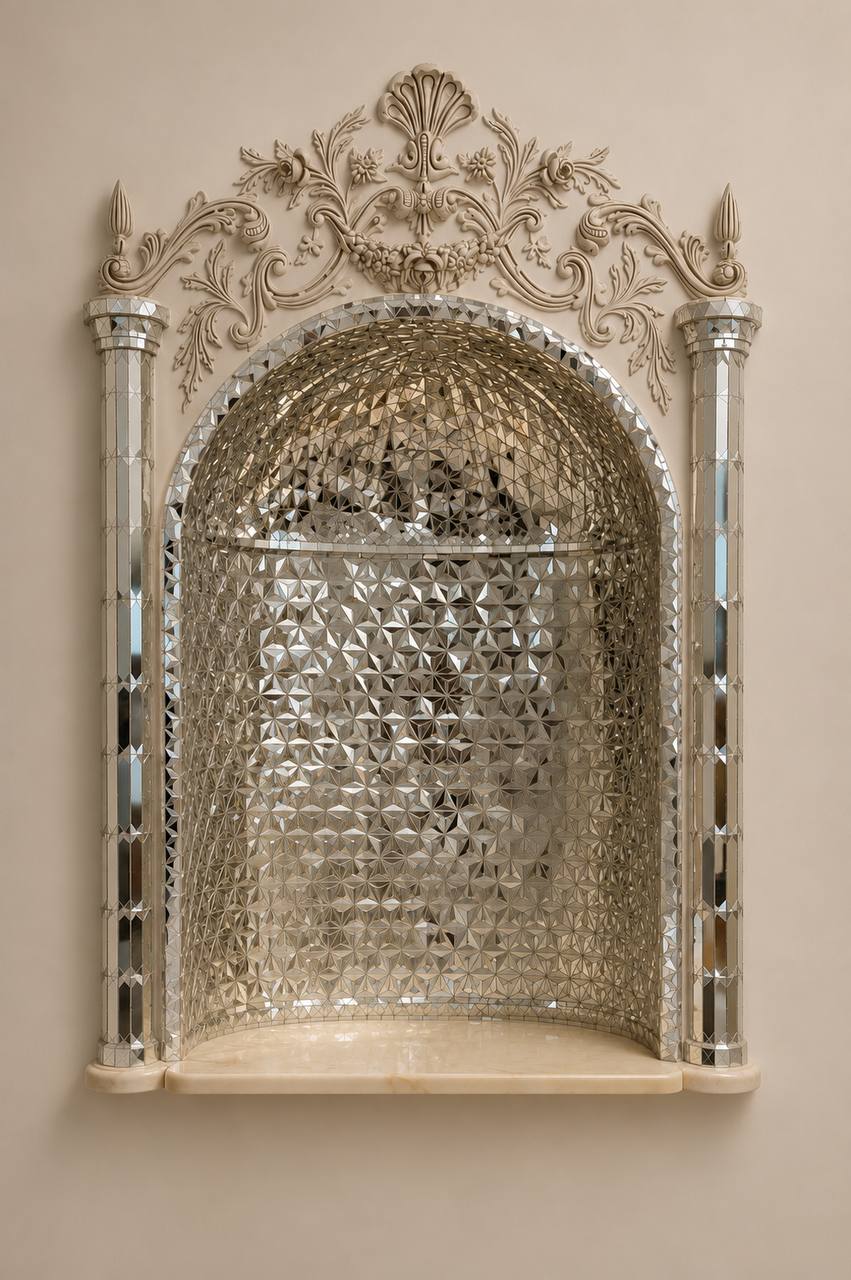
هنر آینهکاری ایرانی؛ درخشش نور در آیینهی فرهنگ و تمدن ایران
مقدمه
هنر آینهکاری یکی از باشکوهترین جلوههای هنرهای تزئینی ایران است؛ هنری که در آن نور، هندسه و معماری در کنار یکدیگر قرار میگیرند تا فضایی سرشار از شکوه، آرامش و زیبایی خلق کنند. آینهکاری تنها چسباندن قطعات آینه بر روی یک سطح نیست، بلکه تلفیقی از معماری، هندسه، خوشذوقی و مهارت دست هنرمند ایرانی است که طی قرنها تکامل یافته و امروزه به عنوان یکی از شناختهشدهترین هنرهای سنتی ایران در جهان شناخته میشود.
درخشش هزاران قطعه کوچک آینه در کنار یکدیگر، تصویری میآفریند که با تغییر زاویه دید و تابش نور، هر لحظه جلوهای تازه پیدا میکند؛ ویژگیای که هنر آینهکاری را به اثری زنده و پویا تبدیل کرده است.
تاریخچه آینهکاری در ایران
ورود آینه به ایران به دوران صفویه بازمیگردد؛ زمانی که آینههای بزرگ از اروپا، بهویژه شهر ونیز، وارد کشور میشدند. به دلیل ارزش بالای این آینهها، شکستن حتی یک قطعه از آنها خسارتی بزرگ محسوب میشد.
هنرمندان ایرانی با نبوغ خود، قطعات شکسته را دور نریختند؛ بلکه آنها را به اشکال هندسی مختلف برش دادند و با ترکیبی چشمنواز روی دیوارها و سقفها نصب کردند. همین ابتکار، آغاز تولد هنر آینهکاری ایرانی بود.
در دوران صفویه، زندیه و بهویژه قاجار، این هنر به اوج شکوفایی رسید و بسیاری از کاخها، عمارتها، بقاع متبرکه و خانههای اشرافی با آینهکاری تزئین شدند.
فلسفه آینه در فرهنگ ایرانی
در فرهنگ ایران، آینه تنها وسیلهای برای انعکاس تصویر نیست؛ بلکه نمادی از:
- پاکی
- روشنایی
- حقیقت
- صداقت
- کمال
- نور الهی
به همین دلیل، آینه همواره جایگاه ویژهای در آیینهای ایرانی داشته است؛ از سفره هفتسین گرفته تا سفره عقد و بسیاری از مراسم سنتی.
در معماری سنتی نیز، انعکاس نور توسط هزاران قطعه آینه، استعارهای از بینهایت و شکوه آفرینش محسوب میشود.
ویژگیهای هنر آینهکاری
آنچه آینهکاری ایرانی را از نمونههای مشابه در سایر کشورها متمایز میکند، دقت فوقالعاده در طراحی و اجرای آن است.
ویژگیهای اصلی این هنر عبارتاند از:
- برش کاملاً دستی قطعات آینه
- طراحی مبتنی بر هندسه ایرانی
- تقارن دقیق
- استفاده از نقوش اسلیمی، ختایی و شمسه
- انعکاس چندینباره نور
- ایجاد عمق بصری
- ترکیب با چوب، منبت، خاتم، گچبری و فلز
هر قطعه آینه با دقت فراوان تراش خورده و در جای خود قرار میگیرد تا در نهایت تصویری یکپارچه و هماهنگ شکل بگیرد.
مراحل ساخت آینهکاری
خلق یک اثر آینهکاری فرآیندی زمانبر و کاملاً هنرمندانه است.
مراحل اصلی شامل:
۱. طراحی اولیه
۲. انتخاب الگوی هندسی
۳. انتقال طرح روی سطح
۴. برش دستی قطعات آینه
۵. صیقل و آمادهسازی لبهها
۶. نصب تکتک قطعات
۷. بندکشی و پرداخت نهایی
در بسیاری از آثار نفیس، اجرای یک قطعه ممکن است هفتهها یا حتی ماهها زمان ببرد.
انواع آینهکاری
هنر آینهکاری دارای سبکهای متنوعی است که هر کدام شخصیت بصری متفاوتی دارند.
از جمله:
- آینهکاری شمسه
- آینهکاری لوزی
- آینهکاری گره هندسی
- آینهکاری اسلیمی
- آینهکاری گل و مرغ
- آینهکاری مدرن
- آینهکاری تلفیقی با چوب
- آینهکاری تلفیقی با فلز
- آینهکاری روی مبلمان
- آینهکاری روی اکسسوریهای دکوراتیو
امروزه این هنر تنها محدود به معماری نیست و در تولید محصولات لوکس دکوراسیون داخلی نیز جایگاه ویژهای پیدا کرده است.
کاربرد آینهکاری در دکوراسیون امروز
در طراحی داخلی معاصر، آینهکاری ایرانی با حفظ اصالت خود، چهرهای مدرنتر یافته است.
امروزه میتوان این هنر را در محصولاتی مانند:
- آینههای دکوراتیو
- کنسولها
- میزهای پذیرایی
- میز جلو مبلی
- آباژورها
- شمعدانها
- لوسترها
- تابلوهای هنری
- جعبههای تزئینی
- اکسسوریهای لوکس منزل
مشاهده کرد.
این آثار نهتنها نقش تزئینی دارند، بلکه به دلیل انعکاس نور، موجب بزرگتر دیده شدن فضا و افزایش روشنایی محیط نیز میشوند.
آینهکاری؛ هنری که هرگز تکرار نمیشود
یکی از ارزشمندترین ویژگیهای آینهکاری دستساز، منحصربهفرد بودن هر اثر است.
هیچ دو اثر آینهکاری کاملاً مشابه یکدیگر نیستند؛ زیرا تمامی مراحل برش، چیدمان و نصب قطعات توسط دست هنرمند انجام میشود.
همین ویژگی باعث شده آثار دستساز ایرانی علاوه بر ارزش هنری، ارزش کلکسیونی نیز داشته باشند.
گالری تماشا و احیای هنر آینهکاری ایرانی
در گالری تماشا، آینهکاری تنها یک تزئین نیست؛ بلکه بخشی از هویت محصولات به شمار میآید.
با بهرهگیری از هنرمندان ایرانی و استفاده از تکنیکهای اصیل آینهکاری، آثاری تولید میشوند که گذشته و امروز را به زیبایی در کنار یکدیگر قرار میدهند.
از آینه و کنسولهای دستساز گرفته تا آباژورها، میزها، اکسسوریها و آثار دکوراتیو، هر محصول روایتگر بخشی از فرهنگ و هنر ایران است.
هدف گالری تماشا، حفظ و معرفی هنرهای اصیل ایرانی به نسل امروز و مخاطبان بینالمللی است؛ آثاری که علاوه بر کیفیت ساخت، حامل داستانی از ذوق، صبر و خلاقیت هنرمندان این سرزمین هستند.
سخن پایانی
آینهکاری ایرانی، هنری است که نور را به زبان زیبایی ترجمه میکند. هر قطعه آینه، بازتابی از تاریخ، فرهنگ و هنر چند هزار ساله ایران است و هر اثر، حاصل ساعتها تلاش، دقت و عشق هنرمندی است که با دستان خود اثری ماندگار خلق میکند.
امروز، این هنر همچنان زنده است و در کنار معماری و طراحی داخلی مدرن، جلوهای تازه یافته است. حفظ و حمایت از آینهکاری ایرانی، نهتنها پاسداشت یک هنر سنتی، بلکه پاسداشت بخشی از هویت فرهنگی ایران است؛ هویتی که در هر انعکاس نور، داستانی از اصالت، ظرافت و زیبایی را روایت میکند.
The Art of Iranian Mirror Work: The Reflection of Light in Persian Culture and Civilization
Introduction
Iranian mirror work is one of the most magnificent expressions of Persian decorative art. It is an art form in which light, geometry, architecture, and craftsmanship come together to create spaces filled with brilliance, elegance, and visual harmony.
Mirror work is far more than the simple placement of reflective pieces on a surface. It is a sophisticated combination of architectural design, mathematical precision, artistic taste, and the exceptional skill of Iranian artisans. Over centuries, this art has developed into one of the most distinctive and recognizable decorative traditions of Iran.
Thousands of small mirror pieces reflect light from different angles, creating a constantly changing visual experience. As the viewer moves or the light shifts, the surface appears to come alive. This dynamic quality transforms mirror work into an art of movement, reflection, and endless illumination.
The History of Mirror Work in Iran
The history of mirror work in Iran is generally associated with the Safavid period, when large mirrors were imported from Europe, particularly from Venice.
Because these mirrors were extremely valuable, any breakage during transportation was considered a significant loss. Iranian artisans, however, found a creative way to reuse the broken fragments. Instead of discarding them, they cut the pieces into geometric forms and arranged them on walls and ceilings in decorative patterns.
This artistic innovation gradually developed into the uniquely Persian tradition of mirror work.
During the Safavid, Zand, and especially Qajar periods, the art reached remarkable levels of sophistication. Palaces, royal residences, religious buildings, shrines, reception halls, and wealthy private homes were decorated with elaborate mirrored surfaces.
Mirror work became a symbol of grandeur and refinement, particularly in ceremonial and prestigious architectural spaces.
The Symbolism of Mirrors in Persian Culture
In Iranian culture, a mirror is not merely an object used to reflect an image. It carries strong symbolic and spiritual meanings.
The mirror is often associated with:
- Purity
- Light
- Truth
- Honesty
- Perfection
- Spiritual illumination
For this reason, mirrors have long held a special place in Iranian traditions and ceremonies.
They can be found on the Haft-Seen table during Nowruz, on traditional wedding tables, and in many symbolic cultural settings. In these contexts, the mirror represents clarity, brightness, and the hope for a luminous future.
In traditional architecture, the reflection of light across countless mirrored fragments also evokes the idea of infinity. Each reflection multiplies into many others, creating a visual metaphor for the endless nature of creation and divine beauty.
Distinctive Features of Iranian Mirror Work
What distinguishes Iranian mirror work from similar decorative techniques in other cultures is the extraordinary attention to detail, geometry, symmetry, and craftsmanship.
The most important features of this art include:
- Hand-cut mirror pieces
- Precise geometric planning
- Symmetrical compositions
- Traditional Persian motifs
- Repeated reflections of light
- Strong visual depth
- Integration with wood, plasterwork, metal, carving, and marquetry
- Delicate patterns inspired by nature and classical ornament
Each small mirror fragment is carefully shaped and placed in its exact position. Although the surface is composed of many individual pieces, the final result appears unified, balanced, and highly refined.
The Process of Creating Mirror Work
Creating a mirror-work piece is a highly skilled and time-consuming process.
The main stages generally include:
- Preparing the initial design
- Selecting the geometric or decorative pattern
- Transferring the design onto the surface
- Hand-cutting the mirror pieces
- Refining and smoothing the edges
- Placing each piece individually
- Securing the fragments onto the surface
- Completing the final finishing and detailing
In complex works, the artist may need several weeks or even months to complete a single piece.
The precision of the cuts, the harmony of the composition, and the accuracy of the installation all play an essential role in the final quality of the work.
Traditional Motifs and Patterns
Iranian mirror work is closely connected to the visual language of Persian art.
Some of the most common patterns include:
- Shamseh or sunburst motifs
- Diamond-shaped compositions
- Geometric knots
- Islamic arabesques
- Khatai floral patterns
- Flower and bird designs
- Star-shaped patterns
- Repeating polygonal structures
- Contemporary abstract arrangements
These motifs often create a sense of rhythm and movement across the surface.
The repetition of shapes, combined with the reflection of light, produces a visually rich and almost three-dimensional effect.
Different Types of Mirror Work
Over time, mirror work has developed into several different styles and applications.
Some common forms include:
- Geometric mirror work
- Floral mirror work
- Shamseh mirror work
- Arabesque mirror work
- Traditional architectural mirror work
- Modern mirror mosaics
- Mirror work combined with carved wood
- Mirror work combined with metal
- Mirror work on furniture
- Mirror work on decorative accessories
Today, the art is no longer limited to palace walls, ceilings, or religious interiors. It has also become an important element in luxury furniture, decorative objects, and contemporary interior design.
Mirror Work in Traditional Architecture
In traditional Iranian architecture, mirror work was often used in reception halls, royal chambers, shrines, and ceremonial spaces.
Its purpose was not only decorative. It also helped amplify natural and artificial light.
Before the development of modern lighting systems, mirrored surfaces could dramatically increase the brightness of an interior. A small amount of candlelight or sunlight could be multiplied through countless reflections, creating a luminous and majestic atmosphere.
The use of mirror work in architecture therefore combined beauty with practical function.
Famous Examples of Iranian Mirror Work
Some of the finest historical examples of Iranian mirror work can be found in palaces, sacred spaces, and historic mansions across the country.
The Hall of Mirrors in Golestan Palace is among the most celebrated examples of this art. Its mirrored walls and ceilings create an atmosphere of extraordinary luxury and refinement.
Other remarkable examples can be found in traditional mansions in cities such as Shiraz, Kashan, Isfahan, and Tehran, as well as in several important religious shrines.
These buildings demonstrate the complexity and artistic sophistication that Iranian mirror work achieved over the centuries.
Mirror Work in Contemporary Interior Design
In contemporary design, Iranian mirror work has found new forms of expression.
Designers and artisans now use it in a wide range of products, including:
- Decorative mirrors
- Console tables
- Coffee tables
- Side tables
- Lamps
- Chandeliers
- Candleholders
- Wall panels
- Sculptural objects
- Decorative boxes
- Luxury accessories
- Artistic furniture
This transition has allowed the art to enter modern homes while preserving its traditional identity.
A mirror-work piece can make a space appear brighter, larger, and more luxurious. It can also act as a strong visual focal point within an interior.
The Combination of Mirror Work with Other Iranian Arts
One of the most beautiful qualities of Iranian decorative art is the way different crafts can be combined.
Mirror work is often integrated with:
- Wood carving
- Marquetry
- Metalwork
- Brasswork
- Painting
- Plasterwork
- Calligraphy
- Ceramic decoration
- Traditional pattern design
These combinations create complex works in which several artistic traditions exist together.
For example, a mirror-work console table may include carved wooden details, antique brass elements, or traditional floral motifs. The final piece becomes not only a functional object but also a layered work of art.
The Uniqueness of Handmade Mirror Work
One of the most valuable characteristics of handmade mirror work is that no two pieces are ever completely identical.
Because every stage is completed by hand, small differences naturally appear in the cutting, arrangement, and positioning of the mirror fragments.
These variations are not imperfections. They are signs of authenticity and craftsmanship.
Each handmade piece carries the personal touch of the artisan and becomes a one-of-a-kind object. This is one of the reasons why traditional mirror-work pieces also have collectible and artistic value.
The Role of Light in Mirror Work
Light is the most important element in this art.
Without light, mirror work appears as a carefully organized composition of reflective surfaces. With light, however, the piece becomes animated.
Sunlight, candlelight, and artificial lighting each create a different effect.
Soft light produces subtle reflections, while stronger light creates a brilliant and dramatic appearance. The design can therefore change throughout the day, depending on the direction and intensity of the light.
This close relationship between light and surface gives mirror work its emotional and spiritual depth.
Preservation and Restoration
Historical mirror work requires careful preservation.
Because the pieces are delicate, factors such as humidity, impact, structural movement, and improper cleaning can cause damage.
The restoration of an old mirror-work surface must be carried out by experienced specialists. The original pattern, cutting style, materials, and installation method must all be carefully studied before intervention.
Proper restoration is essential for protecting the historical and artistic value of these works for future generations.
Gallery Tamasha and the Revival of Iranian Mirror Work
At Gallery Tamasha, mirror work is not treated as a simple decorative technique. It is regarded as an important part of the cultural identity of each piece.
By collaborating with Iranian artisans and using traditional techniques, Gallery Tamasha creates works that connect the past with contemporary design.
From handmade mirrors and console tables to lamps, furniture, and decorative accessories, each object reflects a part of Iran’s artistic heritage.
The goal is not only to preserve the visual beauty of this art, but also to introduce it to new generations and international audiences.
Every piece represents patience, precision, creativity, and the knowledge of artisans who continue a centuries-old tradition.
The Cultural Value of Supporting Traditional Crafts
Supporting handmade mirror work means supporting more than a decorative art.
It means protecting:
- Traditional knowledge
- Local craftsmanship
- Cultural identity
- Artisan communities
- Historical techniques
- Sustainable handmade production
When a traditional craft survives, an important part of cultural memory also survives.
By choosing handmade Iranian art, collectors and design enthusiasts help ensure that these skills continue to be taught, practiced, and appreciated.
Conclusion
Iranian mirror work is an art that translates light into beauty.
Every fragment of mirror reflects not only its surroundings, but also centuries of Persian culture, craftsmanship, geometry, and artistic imagination.
It is an art born from creativity, shaped by patience, and perfected through the hands of skilled artisans.
Today, mirror work continues to evolve. It remains present in historic architecture while also finding new life in modern interiors, luxury furniture, and contemporary decorative design.
Preserving and supporting this art is therefore not simply about protecting an old tradition. It is about preserving a living part of Iranian identity.
In every reflection, Iranian mirror work tells a story of elegance, precision, light, and timeless beauty.
محصولات مرتبط

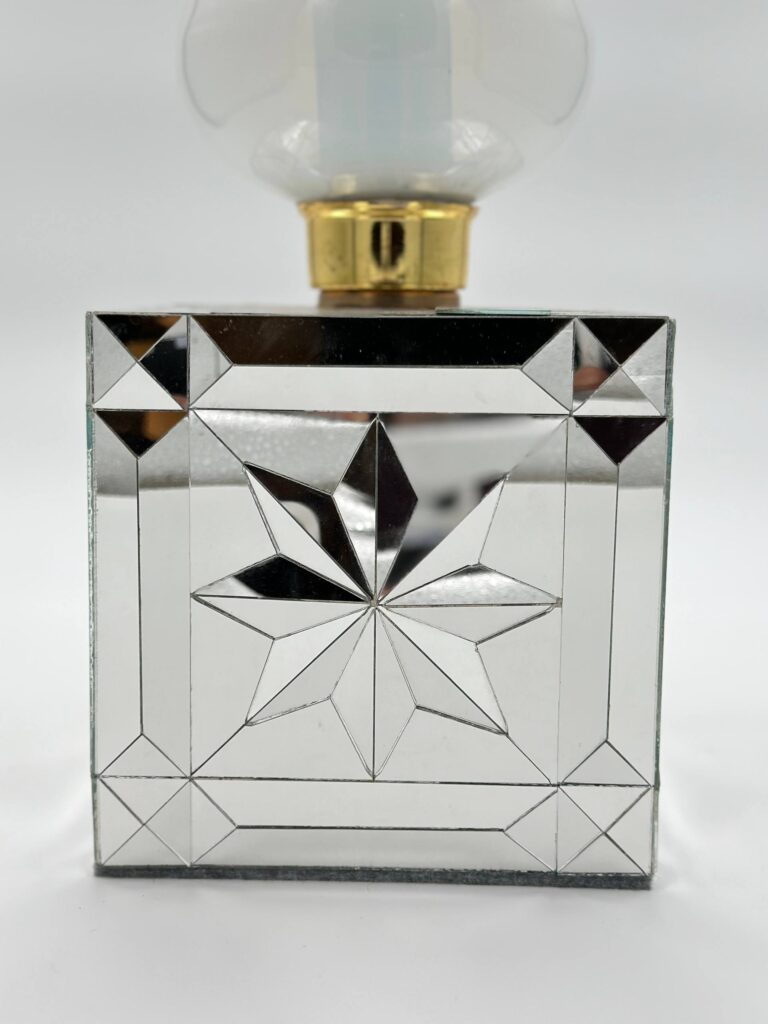
آباژور آینهکاری با لاله آنتیک
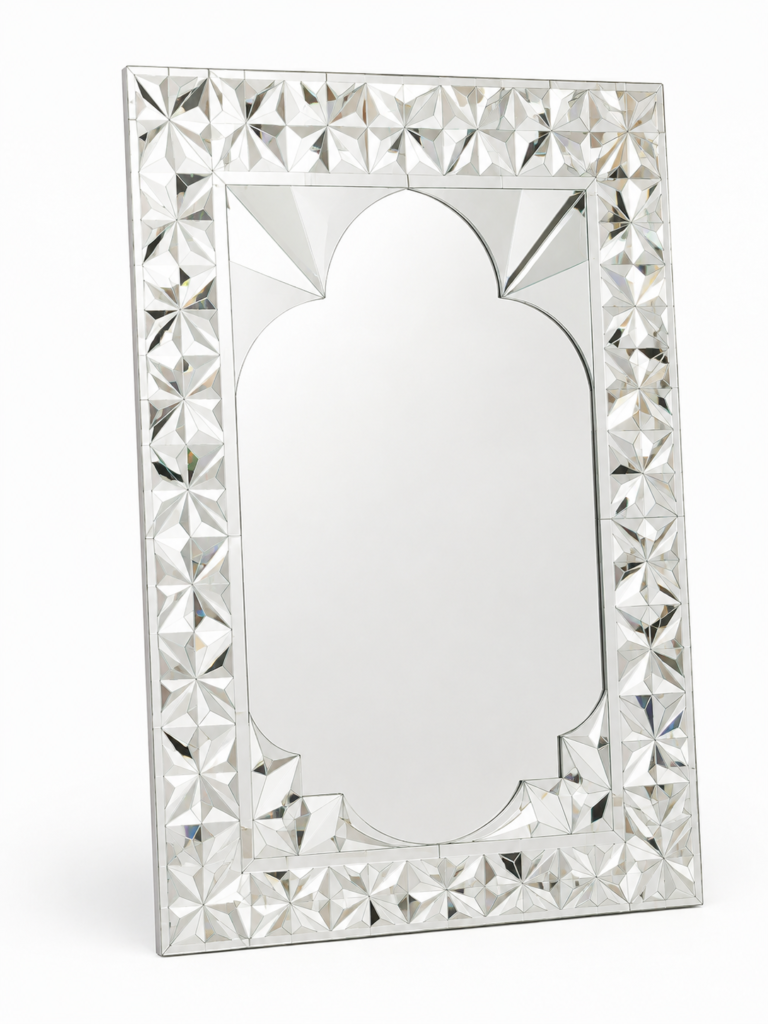

آینه پرتوهای درخشان اراک
420.000.000 ریال


شعمدان آینهکاری دستساز با لاله سبز تراشخورده
87.000.000 ریال
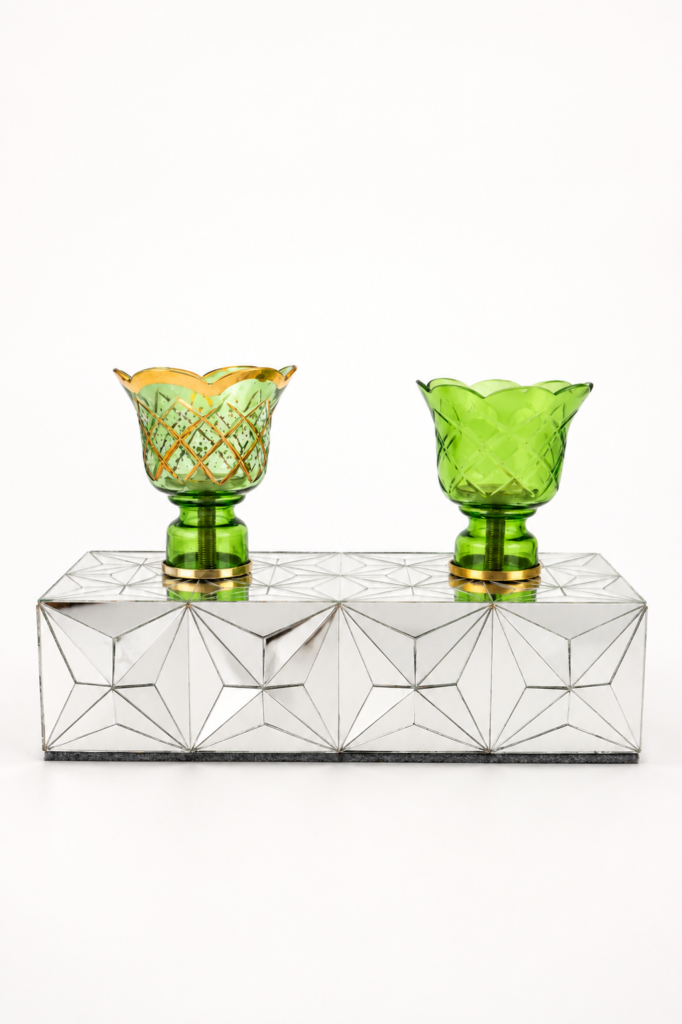
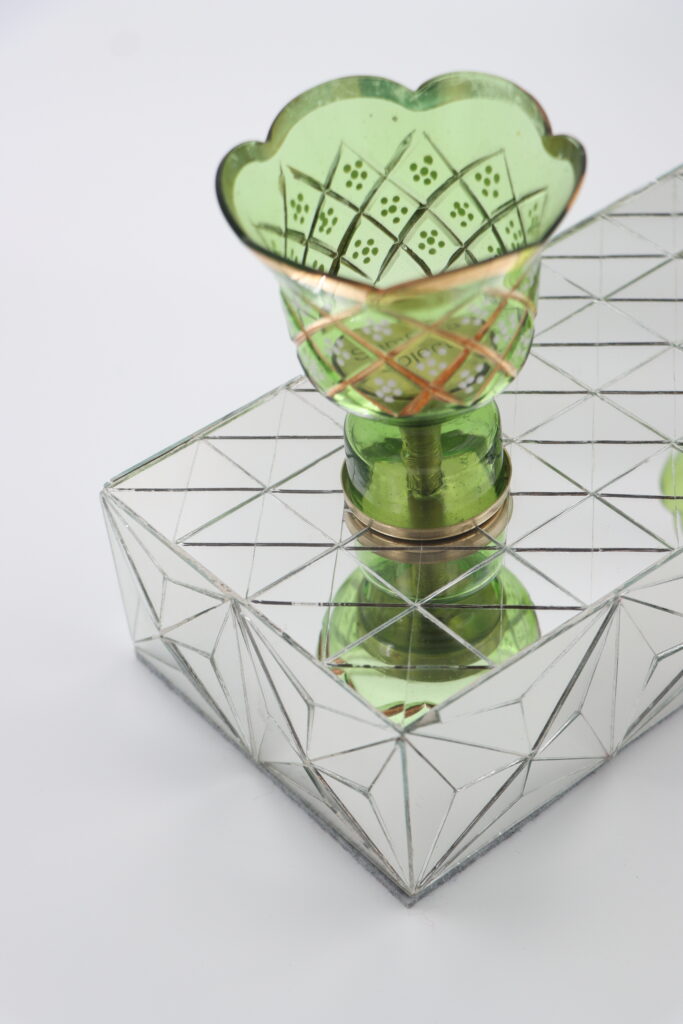
شمعدان آینهکاری دو لاله
143.000.000 ریال


مجسمه شیر آینه کاری
68.000.000 ریال